

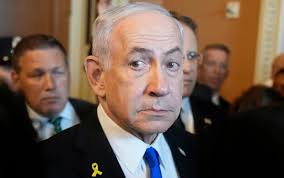
Israeli Prime Minister Benjamin Netanyahu is grappling with fresh political turbulence after the United Torah Judaism (UTJ) party, a key ultra-Orthodox ally, withdrew from his ruling coalition over a long-running dispute on military draft exemptions.
Six UTJ lawmakers submitted resignation letters overnight from their roles in government ministries and parliamentary committees, protesting the government’s failure to safeguard military service exemptions for ultra-Orthodox religious students.
The party’s departure has left Netanyahu’s coalition teetering, with speculation mounting that Shas—a fellow ultra-Orthodox party and coalition partner—could also exit. If that occurs, Netanyahu would lose his parliamentary majority entirely.
The resignations are expected to take effect within 48 hours, giving the prime minister limited time to defuse the crisis. However, with the Knesset scheduled to begin its summer recess at the end of July, Netanyahu may have a three-month window to stabilize his government before facing any formal challenge to his leadership.
Compounding the pressure, Netanyahu is also facing internal resistance from far-right ministers over ongoing ceasefire talks with Hamas. The indirect negotiations, hosted in Qatar, aim to secure a 60-day truce in Gaza, enabling the release of half of the remaining Israeli hostages and increased humanitarian aid, while potentially opening the door to wider peace discussions.
Hardline ministers Itamar Ben-Gvir and Bezalel Smotrich have strongly opposed any ceasefire, demanding continued military operations. Still, Netanyahu is believed to have sufficient support within his cabinet to approve a truce even without their backing.
“As soon as the right deal is on the table, the prime minister will be able to pass it through,” said Topaz Luk, a senior Netanyahu aide, in a Tuesday interview with Army Radio.