
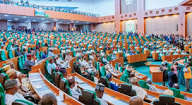
The House of Representatives on Tuesday held a special plenary session focused on the nation’s growing security challenges.
A delegation from the St. Kitts and Nevis Parliament, led by Speaker Lanein Blanchette, and another team from the United States Embassy were admitted into the chamber for the session. Lawmakers are expected to receive a consolidated internal security assessment covering trends, oversight findings, implementation of past resolutions, and presentations from committees on defence, national security, police affairs, human rights, foreign affairs, interior, women affairs, youth development, and disaster preparedness.
A formal resolution outlining agreed actions, timelines, and oversight mechanisms is expected at the end of the sitting.
In his opening address, Speaker Tajudeen Abbas said Nigeria’s sovereignty is non-negotiable and noted the longstanding partnership between Nigeria and the United States. He added that the House is carefully considering the Religious Freedom Accountability Bill, stressing that both Christian and Muslim communities have been targets of terrorist attacks.
Deputy Speaker Benjamin Kalu announced that within six months, the House will pursue legislation prohibiting ransom negotiations, imposing penalties on government officials who negotiate ransoms or approve unstructured amnesty deals, and establishing criteria for disarmament. He also called for investigations into alleged government negotiations and ransom payments to bandits.
The special plenary follows a surge in nationwide insecurity, including recent mass abductions of students and worshippers in several northern states. Schools have been shut in affected areas, and opposition figures have criticised the Federal Government for its handling of the crisis.
Last week, the US Congress held a public hearing on President Donald Trump’s redesignation of Nigeria as a Country of Particular Concern, during which victims and lawmakers highlighted rising violence, abductions, and widespread destruction across communities.