

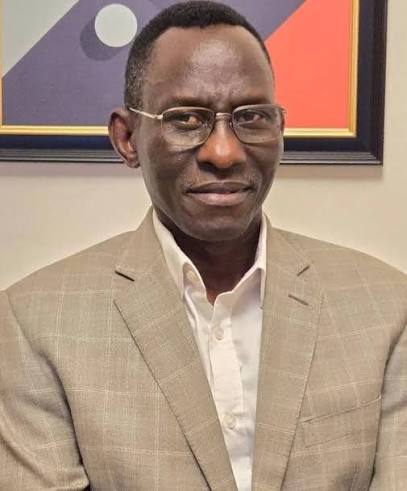
Former Chief of Defence Staff, Gen. Lucky Irabor (rtd.), says some Nigerian politicians are involved in financing terrorism but insists their identities were not disclosed because the trials conducted during his tenure were held out of public view.
Irabor made the comment during an interview on Channels Television on Monday, responding to questions on attacks on Christian communities, political interference in security issues, and recent claims by former U.S. President Donald Trump alleging “Christian genocide” in Nigeria.
He described Nigeria’s security challenges as a “multi-layered crisis” involving ideological terrorists, religious extremists, politically motivated actors, and criminal gangs seeking territorial control.
According to him, attacks across the country cannot be attributed to a single motive. “You have terrorists with an ideology, you have those targeting Christians, and you have those targeting communities for leverage. There are also economic criminals. Lumping everything together is wrong,” he said.
Irabor also noted that while some politicians exploit insecurity to create political advantage, not all security incidents are politically driven. “Some politicians have taken advantage of poor governance and insecurity to gain leverage or instigate crises, but that doesn’t mean everything is political,” he added.
When asked why alleged terror financiers—particularly those in politics—have not been publicly named, Irabor confirmed that some suspects were tried but explained that the proceedings were intentionally shielded from the public. He declined to say whether any convictions were secured.
“There were trials, especially for financiers. It’s not for public consumption,” he stated.
He urged Nigerians to trust responsible government officials handling national security matters, arguing that “not everybody in government is a criminal or a liar.”
On Trump’s remarks about “genocide” against Christians, Irabor said foreign observers often oversimplify Nigeria’s complex conflict. “The issues here are multifaceted. Calling everything genocide is an oversimplification,” he said.
His comments reignite long-standing public concerns over why successive administrations have failed to release the names of individuals accused of funding terrorism, despite earlier arrests and government promises.