

Counsel to human rights activist and former African Action Congress (AAC) presidential candidate, Omoyele Sowore, Abubakar Marshal, has criticised the Department of State Services (DSS) over what he described as misplaced priorities and contradictions in its handling of Sowore’s ongoing cyberstalking trial.
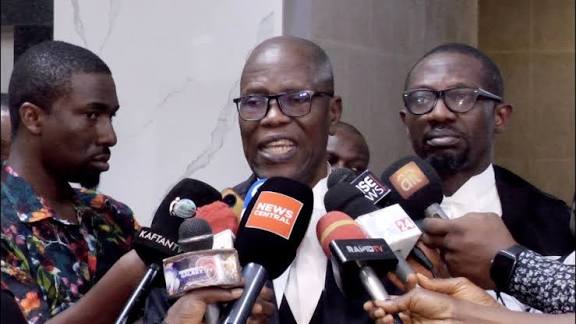
Marshal spoke on Tuesday after the cross-examination of the prosecution’s first witness, a DSS operative identified as Mr. Cyril Nosike, at the Federal High Court in Abuja.
He faulted the quality of evidence presented by the agency, stating that the DSS tendered a video in which a public figure—later cleared by the same agency for an ambassadorial appointment—described President Bola Ahmed Tinubu as an “international drug baron” and a “criminal.”
Marshal said the defence questioned the witness on why the DSS cleared the individual for public office despite the comments. According to him, the witness admitted that the person was cleared but said he did not know the basis for the clearance.
He further stated that the DSS witness told the court that he received no instruction from President Tinubu to initiate the cyberstalking charge against Sowore and that he was answerable only to his superiors within the agency.
Marshal described the trial as an illustration of institutional failure and accused the DSS of deviating from its statutory responsibilities.
He said the DSS, which was established as an intelligence-gathering agency, had become involved in matters outside its mandate, including civil disputes and personal conflicts.
Marshal cited alleged cases of DSS involvement in tenancy disputes, debt mediation, and the arrest of a young woman who reportedly refused a forced marriage.
He also criticised the agency’s claim of monitoring social media platforms around the clock, questioning its focus amid rising insecurity across the country.
According to him, armed groups regularly post videos online boasting of kidnappings and violent attacks, yet the agency appears more concerned with monitoring criticism of the President.
Marshal warned that the DSS risked losing public trust if it failed to refocus on its core mandate and urged the agency to prioritise intelligence gathering to combat terrorism, banditry, and kidnapping.
He called on the service to retrace its steps and address what he described as Nigeria’s pressing security challenges.