

South African opposition leader Julius Malema has been convicted of illegally possessing a firearm, discharging it in public, and reckless endangerment, offences that carry a minimum 15-year sentence under the Firearms Control Act.
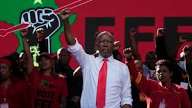
The conviction relates to a 2018 incident in which Malema was filmed firing multiple rounds from a semi-automatic rifle during the Economic Freedom Fighters’ (EFF) fifth anniversary rally in the Eastern Cape. Prosecutors alleged he discharged up to 15 shots before a crowd of about 20,000 supporters.
Malema, who was tried alongside his former bodyguard Adriaan Snyman — later acquitted — denied the charges, claiming the weapon was not his and that he fired only to energise the crowd. However, East London regional magistrate Twanet Olivier ruled after three days of hearings that Malema was guilty on all counts.
The case has been adjourned to January 2026 for pre-sentencing.
Speaking outside court, Malema dismissed the ruling, telling supporters that prison or death would be a “badge of honour.” He vowed to appeal the judgment, including at the Constitutional Court if necessary.
The prosecution was initiated after Afrikaner lobby group AfriForum laid charges when the video of the rally went viral. AfriForum has long been at odds with Malema and was behind a separate hate speech complaint that led to his conviction in August.
Malema’s radical calls for land redistribution and his confrontational rhetoric have made him one of South Africa’s most polarising political figures. He has also drawn international controversy, with the UK denying him entry last year over inflammatory remarks, while former US President Donald Trump once cited him in claims of violence against Afrikaners.
The ruling has been welcomed by opponents. Democratic Alliance activist Ian Cameron described it as a setback for what he called a “culture of chaos, violence and criminality.”
Legal analysts say Malema could face prison if he cannot convince the court to deviate from the minimum sentence. Lawyer Ulrich Roux told the BBC that Malema must present compelling reasons to avoid serving time.
If upheld, the conviction could reshape his political future, as South African law disqualifies anyone sentenced to more than 12 months without the option of a fine from serving in Parliament once appeals are exhausted.
For now, Malema remains defiant, framing the judgment as part of what he called a broader struggle against oppression.