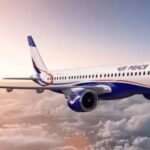

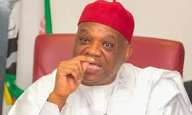
The Nigeria Civil Aviation Authority (NCAA) has dismissed allegations by Senator Orji Uzor Kalu that pilots and flight crews in Nigeria engage in substance abuse and that the Authority fails to carry out proper checks.
Reacting to the claim, the Director-General of NCAA, Captain Chris Najomo, said the Authority operates a robust and internationally recognised system for certifying and monitoring the medical and professional fitness of all Nigerian pilots.
Najomo explained that no pilot is permitted to operate a Nigerian-registered aircraft without a valid licence and a current medical certificate, as stipulated in the Nigeria Civil Aviation Regulations (Nig. CARs). Holders of Commercial Pilot Licences (CPL) and Airline Transport Pilot Licences (ATPL), he said, must possess a Class 1 medical certificate issued only after extensive aero-medical evaluations by NCAA-authorised examiners and reviewed by in-house assessors.
“These examinations cover cardiovascular, neurological, psychological, respiratory, metabolic, and visual assessments to ensure pilots are fit to operate safely,” Najomo said. “They also include screening for psychoactive substances and other medical conditions that could impair flight performance.”
He added that medical certificates are valid for 12 months for pilots below 40 years and six months for those aged 40 and above, after which they must undergo fresh tests before renewal.
The NCAA further noted that its regulations prohibit crew members from flying within eight hours of consuming alcohol or while under the influence of any psychoactive substance. The Authority said it conducts random and unannounced drug and alcohol tests, including on-the-spot checks when there is reasonable suspicion of intoxication.
Najomo emphasised that NCAA inspectors also carry out daily ramp inspections at airports nationwide, during which they verify flight crew licences, medical certificates, and overall fitness for duty. Any irregularities, he added, attract immediate enforcement action.
Citing an example, the NCAA said it recently suspended the licence of a ValueJet pilot in August 2025 for initiating takeoff without proper clearance, underscoring its zero-tolerance stance on safety violations.
“It is therefore inaccurate to suggest that pilots operate under the influence of substances or without adequate checks,” Najomo stated, adding that Nigeria’s aviation safety oversight system meets global standards set by the International Civil Aviation Organization (ICAO) and has consistently passed ICAO audits under the Universal Safety Oversight Audit Programme (USOAP).
The Authority also clarified Kalu’s comment that modern aircraft take off and land automatically, explaining that takeoffs are manual operations performed by flight crews, while autopilot systems are only activated after takeoff and autoland functions are used strictly under specific conditions. It further noted that no Nigerian airport is currently certified for Category III operations, which allow for fully automatic landings.
Meanwhile, the National Association of Aircraft Pilots and Engineers (NAAPE) has condemned Senator Kalu’s comments, describing them as baseless and damaging to the reputation of aviation professionals.
In a statement signed by its Public Relations Officer, Blessing Ahmadu, NAAPE said it was “inaccurate and misleading” to claim that Nigerian pilots use drugs or report to duty under the influence of substances.
“NAAPE categorically refutes these baseless claims, which amount to a malicious attack on the professionalism and integrity of Nigerian pilots,” the statement read. “Every pilot in Nigeria is subject to strict regulatory, medical, and ethical standards, including random drug and alcohol testing in line with ICAO requirements.”
The association urged Senator Kalu, who once operated the defunct SLOK Airlines, to provide verifiable evidence to support his claims or retract the statement and issue a public apology.
It also reaffirmed its confidence in the NCAA’s leadership and its continued enforcement of global best practices to ensure the highest standards of aviation safety in Nigeria.