

The Federal Government has insisted that all foreign loans secured to develop Nigeria’s power sector must stimulate local investment, enhance the nation’s competitiveness, and generate employment for Nigerians.
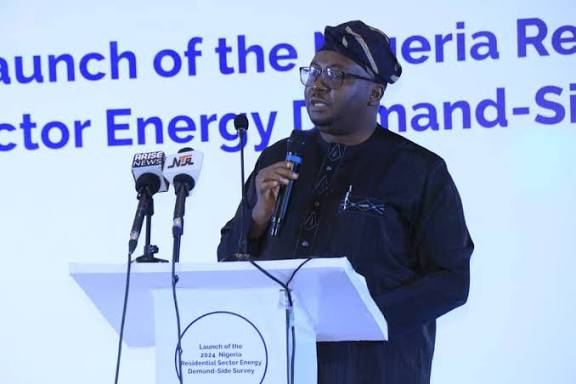
Chief Technical Assistant (CTA) to the Minister of Power, Adebayo Adelabu, Mr. Adedayo Olowoniyi, made this known in Abuja during a breakout session at the Nigeria Renewable Energy Innovation Forum (NREIF), organised by the Rural Electrification Agency (REA).
Olowoniyi cautioned against the “rabid importation” of power equipment, saying such practices add little value to the local economy. He stressed the need to promote local production of solar and renewable energy products to strengthen Nigeria’s power value chain.
“It’s very critical that when government funds a subsidy programme, it must drive access and add value to the entire power sector. We must consume what we produce in Nigeria. For too long, we have relied on importation, and we’ve seen the damage it has done to our currency,” he said.
He warned that relying on imports to expand energy access would undermine Nigeria’s industrialisation goals.
“One thing we must not do is use foreign loans to further develop other people’s countries. The capital the government is bringing in must create jobs, support industrialisation, and drive economic growth,” Olowoniyi added.
The Power Ministry official also emphasised the importance of linking energy provision to industrial development and capacity building.
“People don’t consume energy just for consumption’s sake; they consume it because of economic capacity. So as we energise Nigeria, we must ensure it creates jobs and raises incomes,” he said.
He cited examples from countries like India and China, which achieved rapid energy access through strong local industries. “Nigeria must gradually move away from import dependence while building economies of scale,” he noted.
Also speaking, pioneer Chief Executive of the Nigerian Bulk Electricity Trading (NBET), Mr. Rumundaka Wonodi, revealed that Africa received only $40 billion—or 2%—of the total global renewable energy investment in 2024. He called for fresh strategies to unlock Nigeria’s renewable energy potential and attract sustainable financing.
Similarly, Chief Executive Officer of InfraCorp, Dr. Lazarus Angbazo, highlighted challenges facing local investors, particularly limited access to equity and local currency funding. He warned that reliance on foreign currency loans is unsustainable, adding that InfraCorp aims to strengthen market support for infrastructure investments.
Representing the Speaker of the House of Representatives, Tajuddeen Abbas, lawmaker Shina Oyedeji said the House had prioritised local content, manufacturing, and access to finance for renewable energy initiatives. He further urged the integration of renewable energy studies into Nigeria’s tertiary education curriculum to build a skilled workforce for the sector.