

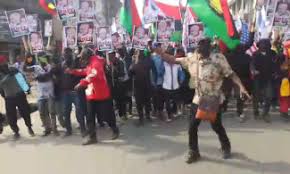
The Indigenous People of Biafra (IPOB) on Tuesday staged what it described as “Trump Solidarity Rallies” across parts of the South-East, with protesters calling for the immediate and unconditional release of its detained leader, Mazi Nnamdi Kanu.
In a statement issued by its Media and Publicity Directorate, IPOB said the rallies and peaceful marches were held simultaneously in Abia, Anambra and Ebonyi states, attracting participation from youths, women and elders.
According to the group, the demonstrations were organised both in solidarity and in remembrance of southeasterners who were killed nine years ago during protests held on the day of former United States President Donald Trump’s first inauguration.
“Youths, women and elders came out in large numbers to peacefully demonstrate in solidarity and in remembrance of our people who were brutally killed exactly nine years ago during the first inauguration of President Donald Trump,” the statement said.
IPOB alleged that the killings occurred when Nigerian soldiers opened fire on unarmed demonstrators, claiming the action was carried out under the directives of the then APC-led federal government.
Despite what it described as persistent insecurity and repression in the region, the group said protesters remained undeterred, insisting that fear and intimidation had not weakened their resolve.
The organisation said demonstrators carried placards, banners and photographs of Nnamdi Kanu, reiterating demands for his release. It described Kanu’s continued detention as a major source of tension and instability in the South-East.
IPOB also said the rallies included calls for broader accountability over past and ongoing security challenges in the region, including demands for an independent inquiry into killings in Port Harcourt and the worsening insecurity across the South-East.
The group maintained that its activities were peaceful and lawful, urging security agencies to respect citizens’ rights to peaceful assembly. It also called on the international community and human rights organisations to intervene, citing what it described as a deteriorating human rights situation in the region.