

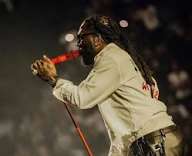
Nigerian Grammy-winning artiste Burna Boy is facing growing global backlash following a controversial incident at his concert in Denver, Colorado, where he ordered a couple to leave the venue after the woman appeared to be asleep. The action, which he later defended on social media, has sparked worldwide debate about celebrity behaviour and accountability in the era of cancel culture.
Burna Boy compared the situation to passengers disturbing pilots or students disrupting a classroom, insisting performers deserve respect on stage. His explanation, however, drew criticism from fans and fellow entertainers. International stars including Eminem and Rihanna expressed disapproval, describing the act as inappropriate.
The incident has reportedly affected the U.S. leg of Burna Boy’s tour, with some shows cancelled and others recording low attendance. Although exact figures remain unverified, media reports link the disruptions to the backlash that followed the Denver show.
The situation mirrors previous cases involving international artistes. Chris Brown faced global condemnation and concert bans after assaulting Rihanna, while Kanye West suffered widespread boycotts over antisemitic comments. Both eventually began repairing their public image through apologies and controlled public engagement.
In Nigeria, similar patterns of cancel culture have targeted entertainers such as Naira Marley and actor Yul Edochie. Marley has repeatedly faced criticism over controversial statements, though his loyal fanbase has kept his career afloat. Edochie also experienced temporary setbacks following divisive public comments but later resumed his professional activities.
Burna Boy’s controversy has reignited conversations about the responsibilities of public figures, the influence of social media on celebrity reputations, and the increasingly global nature of public scrutiny. Analysts say cancel culture now operates across borders, with online reactions capable of shaping careers within hours.