

Fierce clashes between Druze militias and Sunni Bedouin tribes in Syria’s southern Sweida province have left dozens dead and scores injured, in what is emerging as one of the deadliest local flare-ups in recent years. The violence, which erupted from a cycle of kidnappings and retaliatory attacks, has drawn regional and international concern, with Israeli forces confirming an airstrike on Syrian military tanks in the area on Monday.
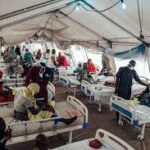
Syria’s Interior Ministry reported that over 30 people have been killed and nearly 100 injured. However, the UK-based Syrian Observatory for Human Rights (SOHR) placed the death toll significantly higher, citing at least 89 fatalities, including women, children, and 14 members of the Syrian security forces.
The unrest reportedly began when a Druze vegetable vendor was allegedly robbed by Bedouin tribesmen at a makeshift checkpoint, triggering tit-for-tat kidnappings and escalating into armed confrontations. Government forces were later drawn into the conflict.
Interior Ministry spokesperson Noureddine al-Baba said troops entered Sweida at dawn to quell the unrest.
“Some clashes occurred with outlawed armed groups, but our forces are doing their best to prevent any civilian casualties,” he stated.
However, the Syrian government’s response has sparked backlash from prominent Druze leaders. Sheikh Hikmat Al-Hijri accused Damascus of siding with “takfiri gangs”—a term often used to refer to Sunni extremists—and called for international protection. His faction condemned the government’s failure to prevent the violence.
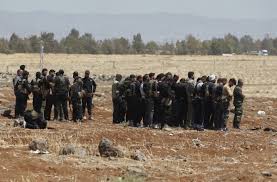
In response, both the Syrian army and internal security forces have been deployed to Sweida. The Interior Ministry described the clashes as a “dangerous escalation,” blaming the absence of functioning local institutions for the worsening security situation.
Amid the chaos, Israeli forces confirmed launching airstrikes on Syrian tanks operating in the conflict zone. Though Israel did not detail the targets, the action aligns with its long-standing policy of protecting Druze communities, many of whom have ties to Israel and are integrated into its society.
The Israeli airstrike follows earlier warnings by Prime Minister Benjamin Netanyahu and Defence Minister Israel Katz against the movement of pro-government forces near Druze-populated areas in southern Syria. In May, Israel carried out a strike near the Syrian presidential palace, widely interpreted as a message to interim President Ahmad al-Sharaa amid similar unrest.
The United Nations has expressed alarm over the unfolding violence. Najat Rochdi, Deputy Special Envoy for Syria, called for immediate steps to protect civilians, de-escalate tensions, and promote dialogue.
Sweida, a predominantly Druze province, had remained relatively insulated from Syria’s 13-year civil war. However, recent years have seen growing instability following the weakening of the Assad regime and the rise of new authorities in Damascus, whom many Druze regard with suspicion.
The latest clashes have deepened divisions within the Druze community, with some factions opposing Israeli intervention while others express growing mistrust of the Syrian government’s capacity to protect minority populations.
Syria’s Foreign Ministry, in a statement, urged all nations to respect its sovereignty and refrain from supporting separatist elements. It called on citizens to disarm and help preserve national unity.
The Sweida violence now represents one of the bloodiest local confrontations since the civil war began, threatening to open a new front in Syria’s already fragmented and fragile conflict landscape.