


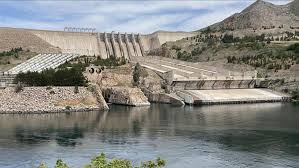
Chinese authorities have officially begun construction of what is projected to become the world’s largest hydropower dam in Tibet, drawing fresh concerns from India and Bangladesh over potential disruptions to downstream water flow and regional stability.
The groundbreaking ceremony for the Motuo Hydropower Station took place on Saturday in Tibet’s remote Medog County, with Chinese Premier Li Qiang in attendance, according to local media. The project, located on the Yarlung Tsangpo River—which flows into India as the Brahmaputra and into Bangladesh as the Jamuna—is estimated to cost 12 billion yuan (approximately $1.67 billion) and will reportedly generate up to three times the electricity output of the current Three Gorges Dam.
While Beijing asserts that the project prioritizes environmental sustainability and local development, its strategic placement has raised alarm in neighboring countries. Critics argue that the dam could give China the ability to control water flows into India and Bangladesh, potentially endangering millions of lives and livelihoods downstream.
A 2020 report by Australia’s Lowy Institute warned that China’s control over rivers originating in the Tibetan Plateau could amount to a “chokehold” on India’s economy. Indian officials, particularly in Arunachal Pradesh, have expressed strong opposition to the project.
Arunachal Pradesh Chief Minister Pema Khandu described the dam as “an existential threat to our tribes and our livelihoods.” He warned that sudden water releases from the dam could devastate the entire Siang River belt, displacing communities such as the Adi tribe and destroying land and property.
India’s central government has previously raised objections with China and is said to be advancing its own hydropower project on the Siang River to mitigate potential flooding risks.
Bangladesh, which is also heavily dependent on the transboundary river system, has formally requested detailed information from Beijing. Dhaka reportedly sent a letter to Chinese authorities in February seeking clarity on the dam’s potential impacts.
China’s state-run news agency Xinhua reported that the ambitious project involves “straightening” the river by boring several 20-kilometre-long tunnels through the Namcha Barwa mountain range. This would divert water and enable the construction of five cascading power stations, with most of the electricity slated for transmission to eastern China under President Xi Jinping’s “xidiandongsong” policy—aimed at transferring power from the country’s underdeveloped west to its industrial east.
Environmentalists and Tibetan rights groups have condemned the project as a further encroachment on the region’s ecological integrity and political autonomy. The dam site is located in an area known for its seismic activity and rich biodiversity. Past protests against dam projects in Tibet have often been met with arrests and violent crackdowns.
Despite these warnings, Chinese officials continue to defend the project, saying it will bring economic benefits and support China’s climate goals by reducing reliance on fossil fuels. However, for India, Bangladesh, and environmental advocates, the risks may far outweigh the promised rewards.