

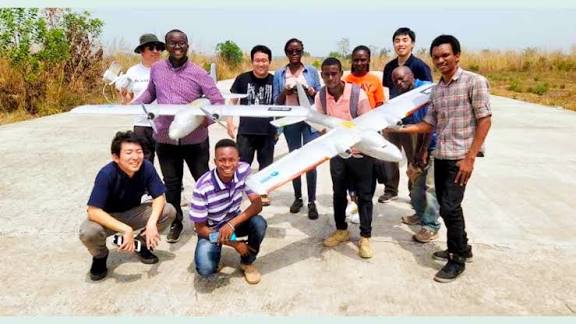
Japanese health-technology firm SORA Technology is preparing to introduce drone-guided malaria control in Nigeria as part of efforts to strengthen the country’s fight against the disease.
Speaking in a virtual interview with Vanguard, SORA’s Chief Operating Officer, Marina Ishikawa, said the company is in discussions with the National Malaria Elimination Programme (NMEP) and has engaged a local representative ahead of a proposed pilot programme.
Malaria remains one of Nigeria’s most serious health challenges. WHO data shows the country recorded about 68 million cases and 194,000 deaths in 2021, accounting for 27 per cent of global cases and nearly a third of global deaths in 2023—most of them children under five.
Ishikawa explained that SORA’s system uses drone imaging and artificial intelligence to identify standing water and determine which sites are most likely to host malaria-carrying Anopheles larvae. She noted that only about 30 per cent of water bodies typically contain such larvae, making targeted larvicide application more efficient and cost-effective.
According to her, the drone system—already deployed in Ghana, Sierra Leone, Benin, Kenya and Mozambique—allows spraying in areas that are difficult for manual teams to reach and reduces chemical and labour requirements. SORA plans to expand its operations to Zanzibar and Tanzania next year and emphasises training local personnel to ensure long-term sustainability.
Ishikawa said changing mosquito behaviour, including increased daytime and outdoor biting, is weakening the effectiveness of insecticide-treated nets, making larval-stage intervention more important.
Despite its progress, the company faces regulatory and funding hurdles, with many governments still unfamiliar with drone-based public-health interventions. However, Ishikawa believes Nigeria due to its high malaria burden stands to benefit significantly once the programme begins.
SORA recently raised JPY 670 million (about USD 4.8 million) in seed funding from investors including Nissay Capital and DRONE FUND to support its expansion. The company also participates in the G7-endorsed Triple I Initiative, which promotes innovation and investment in global health technologies.