

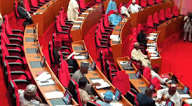
The Senate Committee on ICT and Cybersecurity says it is working to strengthen regulations that will protect Nigerian minors from harmful online content and excessive technology use. Committee Chairman, Senator Shuaib Afolabi Salisu, stated this in Lagos during a two-day legislative retreat on digital rights and legislation.
Salisu expressed concern that many children increasingly isolate themselves with digital devices, a shift he described as harmful to family and community interaction. He warned that minors—who make up a large share of Nigeria’s population—are highly exposed to inappropriate online content without proper supervision. He added that prolonged screen time negatively affects children’s education, moral development and social behaviour.
The retreat, themed “Strengthening Nigeria’s Digital Future through Rights-Based Legislation,” was organised by Avocats Sans Frontières France (ASF France) in partnership with Paradigm Initiative (PIN) and the Centre for Information Technology and Development (CITAD).
Chairman of the House Committee on ICT, Stanley Adedeji, said the proposed Digital Rights Bill aims to safeguard citizens’ rights while supporting the country’s digital economy. He noted that lawmakers must balance rapid technological advancements with ethical and legal considerations.
Head of ASF France in Nigeria, Angela Uzoma-Iwuchukwu, said the engagement seeks to ensure Nigeria’s digital laws keep pace with emerging technologies. She noted that the Digital Rights and Freedom Bill would integrate constitutional protections and guide the harmonisation of artificial intelligence bills currently before the National Assembly.
A representative of the Embassy of the Netherlands, Jessica Odudu, said protecting digital rights is essential to strengthening democratic values, adding that a thriving digital economy depends on respect for citizens’ rights.
Paradigm Initiative’s Senior Programmes Officer, Khadijah El-Usman, said revisiting the Digital Rights and Freedom Bill is necessary to address the fragmented state of online protections in Nigeria. PIN Executive Director, Gbenga Sesan, stressed the need to balance security and freedom of expression, noting that arbitrary phone seizures and arrests erode public trust and undermine efforts to build a $1 trillion digital economy.
In his presentation of the draft Digital Rights and Freedom Bill 2024, Media Rights Agenda Executive Director, Edetaen Ojo, noted that while Nigeria has several laws addressing online conduct, most are punitive. He said the new bill is designed to provide a rights-based framework consistent with constitutional and international human rights standards.