

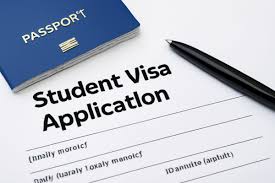
The administration of U.S. President Donald Trump has revoked more than 6,000 student visas over law violations and security concerns, including several hundred linked to alleged support for terrorism, a State Department official confirmed on Monday.
The move, first reported by Fox Digital, comes as the Trump administration intensifies scrutiny of foreign students under a broader immigration crackdown. Recent directives have tightened social media vetting and instructed U.S. diplomats abroad to be alert to applicants with records of political activism or views deemed hostile to the United States, Reuters reported.
According to the State Department, about 4,000 visas were revoked after holders were found guilty of crimes, primarily assault, while others involved offenses such as burglary and driving under the influence of alcohol or drugs. Between 200 and 300 visas were cancelled under terrorism-related provisions of the State Department’s Foreign Affairs Manual, which bars individuals suspected of engaging in terrorist activity or maintaining links to designated organizations. Officials did not specify which groups were involved.
The crackdown comes amid heightened tensions between Trump and several U.S. universities, which he has accused of fostering antisemitism in the wake of large-scale student protests over the Gaza war. Trump has threatened Harvard’s tax-exempt status and suspended funding for ongoing investigations, prompting European governments to expand research grants in an effort to attract displaced academic talent.
Secretary of State Marco Rubio said hundreds, “perhaps thousands,” of visas had been revoked, including those of students, for actions Washington views as undermining U.S. foreign policy priorities. Officials added that student visa and green card holders risk deportation for supporting Palestinians or criticizing Israel’s military actions in Gaza, which they labeled pro-Hamas activity.
In one recent case, a Turkish student at Tufts University was detained for more than six weeks at an immigration facility in Louisiana after co-authoring an opinion article criticizing her school’s response to the Gaza conflict. She was later released on bail by order of a federal judge.
Critics of the policy have denounced the measures as an assault on free speech and a violation of First Amendment protections.