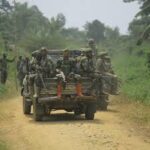


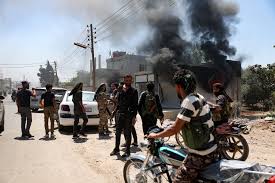
Syrian security forces are preparing to redeploy to the southern city of Sweida following renewed clashes between Druze residents and Bedouin tribes, a spokesperson for the country’s interior ministry confirmed on Friday. The move threatens to unravel a fragile ceasefire and escalate tensions in an already volatile region.
The ceasefire, declared on Wednesday, had briefly paused several days of fierce fighting in Sweida province. However, the resumption of violence late Thursday night prompted the Syrian government to ready its forces for re-entry into the predominantly Druze city, after initially pulling back in compliance with the truce.
The unrest has drawn international concern, particularly from Israel, which strongly opposes the involvement of Syria’s Islamist-leaning government in the region. In response to Syrian troop movements, the Israeli military launched airstrikes targeting Syrian positions in Sweida, the defence ministry in Damascus, and areas near the presidential palace.
Israel has framed its intervention as a defensive measure aimed at protecting the Druze minority, which has close ties to the Druze population within Israel. The strikes also reflect Israel’s longstanding opposition to jihadist elements within Syria’s ruling elite.
Meanwhile, the United States—credited with helping broker the original ceasefire—has distanced itself from Israel’s military actions. The White House on Thursday said the ceasefire “appeared to be holding” at the time, though the resurgence of violence has since cast doubt on its sustainability.
Syrian leader Ahmed al-Sharaa, who has sought to improve ties with Washington, condemned the Israeli airstrikes, accusing Israel of attempting to destabilize Syria and inflame sectarian tensions. He pledged to protect the country’s Druze community, which also maintains strong presences in Israel and Lebanon.
As government forces prepare to return to Sweida, the situation risks spiraling into a broader regional conflict—one driven by ethnic rivalries, foreign interference, and fragile political alliances.