

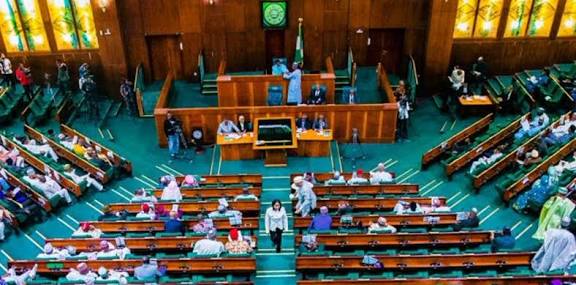
The Senate on Tuesday approved life imprisonment without an option of fine for anyone convicted of defiling a minor, as part of amendments to the Criminal Code Act (Amendment) Bill, 2025.
Lawmakers said the tougher penalty was necessary to deter offenders and safeguard children from sexual abuse, describing defilement as “a grievous crime capable of destroying a child’s life forever.”
The bill, which originated from the House of Representatives and was transmitted to the Senate for concurrence, seeks to update several provisions of Nigeria’s criminal code to reflect contemporary realities.
During plenary, senators unanimously endorsed the life sentence clause for defilement, which previously carried a maximum punishment of five years imprisonment.
Presiding over the session, Senate President Godswill Akpabio stated, “Defilement is even more serious than rape. It is a very serious issue and should carry the most severe punishment. Any defilement of a minor in Nigeria henceforth attracts life imprisonment. Let everyone be aware.”
The Senate also approved a minimum of 10 years imprisonment for rape and other forms of forced sexual intercourse, regardless of the victim’s gender.
Although former Kebbi State Governor, Senator Adamu Aliero, proposed life imprisonment for rape, the chamber settled on a 10-year minimum sentence upon conviction.
Clause 2(1) of the new bill provides that, “Any person who detains a man or boy, a girl or a woman against his or her will in any premises to have unlawful carnal knowledge of him or her commits a felony and shall be liable to imprisonment for not less than 10 years.”
Former Nigerian Labour Congress (NLC) President, Senator Adams Oshiomhole, emphasized the need for the law to recognise that rape victims could be of any gender.
According to him, “The rapist could be a male raping a male, a male raping a female, a female raping a female or a female raping a male.”
The Senate subsequently amended the clause to cover all genders.
However, consideration of sections relating to pregnancy termination and abortion was suspended and referred to the Committee on Judiciary, Human Rights and Legal Matters for further examination.
Senators said the abortion clause needed clearer definitions to avoid putting women or medical practitioners at risk in emergency situations.
Senator Abdul Ningi warned that, “If left vague, the provision could put doctors in a difficult position when they need to save a woman’s life through abortion. The law must clearly define what constitutes an unlawful abortion.”
The Senate gave the committee two weeks to review and submit recommendations on the pregnancy and abortion provisions.
A brief procedural disagreement also arose when Senator Natasha Akpoti-Uduaghan sought to make additional comments on the abortion clause after it had been stepped down.
Citing Senate rules, Senator Adams Oshiomhole objected, arguing that fairness required equal speaking opportunities for all senators if fresh debate was to be reopened.
Akpabio, invoking Rule 52(6), ruled her out of order, saying, “Since the Senate has already reached a conclusion and stepped down this matter, it shall be out of order to reopen it.”
The bill is expected to return for final passage after the Judiciary Committee submits its report.