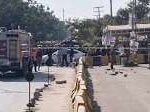



Protesters stormed the COP30 climate conference in Belém on Tuesday night, calling for urgent action to protect the Amazon rainforest and end environmental destruction.
The demonstrators, comprising indigenous leaders and environmental activists, carried placards reading “Our forests are not for sale” as they clashed with United Nations and Brazilian security personnel.
Videos shared on social media showed protesters—some dressed in traditional indigenous attire—chanting, breaking doors, and waving flags from the left-wing youth movement Juntos. Security officials reported minor injuries to two staff members and limited damage to the venue. One security guard was reportedly struck on the head with a drum.
A UN spokesperson confirmed that protesters breached the initial security barriers but were prevented from advancing further inside the conference hall.
Authorities from both Brazil and the United Nations have since launched investigations into the rare security breach at the high-profile global event, which typically operates under tight security protocols.
The incident underscores growing tensions between climate activists, indigenous groups, and governments amid debates over environmental protection and economic development.
Running from November 10 to 21, COP30 brings together representatives from nearly 200 countries to negotiate climate policies and renew global commitments. This year’s conference marks ten years since the signing of the Paris Agreement, which aims to limit global temperature rise to 1.5°C.
The choice of Belém, located on the edge of the Amazon rainforest, as the host city has stirred controversy. Environmentalists argue that Brazil’s continued deforestation, oil and gas exploration, and agribusiness expansion threaten the Amazon’s biodiversity and indigenous communities.
“We can’t eat money,” said a Tupinamba leader, stressing the need to safeguard indigenous lands from illegal logging, mining, and large-scale development.
Activists at COP30 are demanding stronger climate justice measures and recognition of indigenous peoples’ critical role in preserving forests. Experts warn that unchecked deforestation in the Amazon contributes significantly to greenhouse gas emissions, with global consequences for climate stability.
The protest has sparked widespread reactions online, with many praising the demonstrators’ courage and urging world leaders to take decisive action. Analysts say the event highlights the persistent conflict between economic growth and environmental preservation in Brazil and beyond.
As COP30 progresses, delegates face mounting pressure to strengthen climate pledges and protect indigenous rights amid growing calls for immediate action to save the world’s largest rainforest from irreversible damage.