

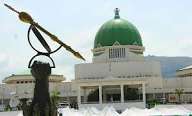
The National Assembly’s proposal to shift Nigeria’s next general elections to November 2026 has stirred widespread controversy, drawing both support and criticism from political stakeholders and citizens.
The plan, contained in a draft amendment to the 2022 Electoral Act, seeks to mandate that presidential, governorship, national and state assembly elections be conducted not later than 185 days before the expiration of the incumbents’ tenure. This means the polls, traditionally held in February or March, would take place around November 20, 2026.
According to the lawmakers, the change aims to allow sufficient time for all election petitions to be resolved before the swearing-in of new leaders. Chairman of the House Committee on Electoral Matters, Adebayo Balogun, said the adjustment would help eliminate the problem of prolonged post-election litigations.
Balogun explained that under the proposal, tribunals would have 90 days to deliver judgments, while appellate courts would have 60 days, leaving time for the Supreme Court to conclude cases before inauguration. The amendment also recommends transferring election date provisions from the Constitution to the Electoral Act for greater flexibility.
Supporters of the move, such as Lagos-based lawyer Kayode Akiolu, argue that conducting presidential and governorship elections on the same day would reduce electoral malpractice. Akiolu said such a system would prevent undue influence between state and federal actors, as both would focus on their own campaigns rather than manipulating outcomes for others.
However, critics including the African Democratic Congress (ADC) warn that the proposal could harm governance. The party’s interim National Publicity Secretary, Bolaji Abdullahi, said the change would shorten the effective governance period and turn the country into a “permanent campaign ground.”
According to Abdullahi, “Holding elections in November 2026 means campaigns will start by 2025, leaving barely two years for actual governance. Public officials will abandon their duties to focus on politics.”
Public affairs analyst Prince Johnson Meekor also faulted the move, saying the real solution lies in strengthening institutions like the INEC and the judiciary for quicker dispute resolution. He cited examples from Kenya, Ghana, and Indonesia, where electoral petitions are concluded within weeks through efficient judicial processes.
The draft amendment also proposes early voting for security agents, INEC staff, accredited journalists, and observers allowing them to vote up to 14 days before the general elections.
While the bill’s proponents see it as a step toward electoral stability, opponents insist it could undermine governance and development if not properly reviewed. The debate continues as the National Assembly reviews public submissions on the proposed reforms.