

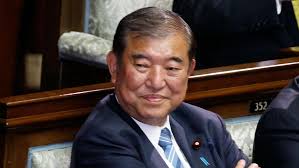
Japanese Prime Minister Shigeru Ishiba has vowed to remain in office despite his ruling coalition’s loss of its parliamentary majority, pledging to focus on preventing political paralysis and addressing urgent national issues.
Speaking to reporters on Monday, Ishiba acknowledged the significance of Sunday’s upper house election results, where his Liberal Democratic Party (LDP) and its coalition partner Komeito fell three seats short of a majority in the 248-member chamber. Combined with earlier losses in the lower house, the coalition no longer holds control of either chamber of the National Diet.
“While I painfully accept my serious responsibility for the election outcome, I believe it is also my duty to ensure that politics does not drift or stall,” Ishiba said, dismissing growing calls for his resignation.
Despite the setback, the LDP remains the largest party in both chambers. Ishiba stressed the need for continuity, citing pressing national concerns such as surging consumer prices, stagnant wages, and a fast-approaching August 1 deadline to conclude a key trade agreement with the United States.
“Global tensions and natural disasters won’t wait for political clarity,” the Prime Minister noted. His chief economic envoy, Ryosei Akazawa, is scheduled to travel to Washington this week for the eighth round of tariff negotiations, with Ishiba expressing eagerness to meet U.S. President Donald Trump “as soon as possible” to finalize a mutually beneficial deal.
The LDP’s loss is widely attributed to growing public dissatisfaction with rising living costs and perceived government inaction on wages and inflation. The administration has also been dented by corruption scandals and concessions to opposition parties.
Sunday’s vote saw significant gains for conservative and right-wing populist groups. The Democratic Party for the People quadrupled its seats by campaigning on wage reforms, while the nationalist Sanseito party surged to third place among opposition parties, riding on its “Japanese First” agenda and hardline views on immigration and social policies.
CDPJ leader Yoshihiko Noda ruled out cooperation with Ishiba’s government, saying, “The public has clearly rejected this administration.” However, Sanseito leader Sohei Kamiya indicated potential alignment with the ruling bloc on conservative issues. “We outperformed expectations and are open to forming a broader coalition after the next election,” he said.
Despite the electoral blow, Ishiba insisted his decision to stay on was not personal but rooted in responsibility. “I remain not out of self-interest, but to chart a path toward resolving the pressing issues before us,” he stated.