

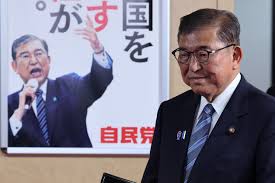
Japanese Prime Minister Shigeru Ishiba on Wednesday dismissed growing speculation that he is preparing to resign, following disappointing results for his ruling party in the recent upper house elections.
Speaking to reporters at Liberal Democratic Party (LDP) headquarters, the 68-year-old leader firmly denied media reports suggesting his imminent departure. “I have never made such a statement,” Ishiba said. “The facts reported in the media are completely unfounded.”
Rumors of Ishiba’s resignation emerged just one day after he and U.S. President Donald Trump jointly announced a bilateral trade agreement aimed at reducing tariffs on Japanese automobile imports while shielding Japan from additional levies on other goods.
A source close to the prime minister, speaking on condition of anonymity, suggested that Ishiba may be intentionally delaying any decision to step down in order to maintain political stability ahead of the August 1 deadline to finalize the trade pact. Still, several Japanese media outlets have reported that the prime minister plans to resign next month.
If confirmed, Ishiba’s resignation would mark the end of a brief tenure—less than one year since he took office after securing the LDP leadership in a fifth bid, defeating conservative rival Sanae Takaichi in a runoff.
His potential exit could trigger a high-stakes leadership contest within the ruling party, which is grappling with internal divisions and mounting pressure from political challengers. Notably, the far-right Sanseito party, also known as “Japanese First,” made significant gains in Sunday’s vote, increasing its seats in the 248-member upper house from one to 14. The party’s populist platform, including pledges to cut immigration, reduce taxes, and offer financial support to struggling families, has resonated with many voters.
The LDP has also been on the back foot since losing its lower house majority in last October’s general election. Any successor to Ishiba would inherit a weakened party lacking majorities in both chambers of parliament. According to the insider source, the next leader is unlikely to call snap elections, instead focusing on rebuilding the party’s public image and consolidating legislative support.
For now, Ishiba maintains that he has no plans to step down, but uncertainty surrounding his leadership continues to loom large over Japanese politics.