

Opposition parties in Ivory Coast, including that of former Credit Suisse chief Tidjane Thiam, have launched protests after their leaders were barred from contesting October’s presidential election, raising uncertainty over the future of one of West Africa’s strongest economies, the Financial Times reported.
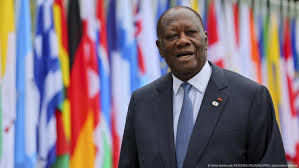
President Alassane Ouattara, 83, last month confirmed he would seek a fourth term, arguing that a 2016 constitutional change reset his time in office. His candidacy comes despite serving 14 years at the helm of the world’s largest cocoa producer.
Ouattara’s path appears clear after an Abidjan court in April struck Thiam from the electoral roll on grounds that he held French citizenship at the time of registration. Former President Laurent Gbagbo also remains ineligible due to a conviction linked to the country’s 2010–2011 civil war, which left more than 3,000 people dead and displaced half a million. Gbagbo was later acquitted at the International Criminal Court in The Hague in 2019.
Opposition leaders have demanded an audit of the voter register, but the electoral commission has rejected the call, leaving protests as their main option. Tens of thousands of supporters of Thiam and Gbagbo rallied last weekend in a suburb of Abidjan, with more demonstrations planned, including one led by Gbagbo on Saturday.
Analysts say Ouattara remains the frontrunner. François Conradie, lead political economist at Oxford Economics, said despite the large turnout at opposition rallies, “the most likely scenario remains an easy win for Ouattara amid minor unrest.”
However, fears of renewed violence persist in a country scarred by past electoral crises. “We pray the 2010 situation doesn’t repeat itself,” said Kacou Lucien, an entrepreneur in Abidjan. “If there’s no peace, how can I do my business?”
Political analyst Landry Kuyo of NCI television urged the opposition to unite and avoid violence, insisting Ouattara’s candidacy is legal. Critics, however, say the move reflects a wider regional trend of leaders exploiting legal loopholes to extend their rule, as seen in Togo earlier this year.
Thiam, who has been campaigning from abroad, faces criticism for his absence, while his allies argue he risks arrest if he returns.