

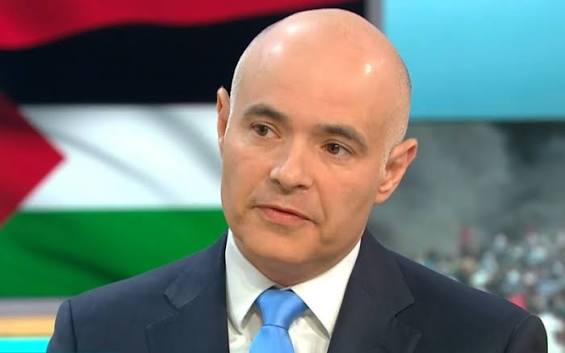
Israel has offered to assist Nigeria in addressing insecurity, including the protection of vulnerable Christian communities, through intelligence sharing and strategic cooperation, Israel’s Ambassador to Nigeria, Michael Freeman, said Monday.
Speaking in an interview with Arise TV News, Freeman said the initiative, proposed by Israeli Prime Minister Benjamin Netanyahu, would be implemented in partnership with the Nigerian government and in full respect of Nigeria’s sovereignty. He emphasized that Israel’s involvement would be limited to areas approved by Abuja.
“Our aim is to work with the Nigerian government. The Prime Minister highlighted intelligence sharing and other areas where we can partner,” Freeman said. “We will be led and guided by the Nigerian government as to where we can work.”
The ambassador clarified that the support is not limited to protecting Christians but is part of broader efforts to tackle terrorism, insurgency, and violent extremism across Nigeria.
Responding to questions about potential unilateral U.S. action under former President Donald Trump, Freeman described the scenario as hypothetical and said Israel would focus on working directly with Nigeria. He also noted that any diplomatic discussions with President Bola Tinubu’s administration on security matters would remain confidential.
Freeman defended Netanyahu’s comments on protecting Christians abroad, insisting they were global in scope and highlighted Israel’s record of religious freedom. He described Israel as the only Middle Eastern country where Christians enjoy full rights, opportunities, and freedom of worship, citing Jerusalem’s Christmas celebrations as evidence.
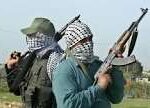
The announcement comes amid ongoing concerns over targeted attacks against Christians in Nigeria, particularly in the Middle Belt and northern states, attributed to Boko Haram, ISWAP, and armed bandits. While U.S. advocacy groups have described the violence as a “genocide,” the Nigerian government maintains it is a result of terrorism, criminality, and communal conflicts rather than state-sanctioned persecution.