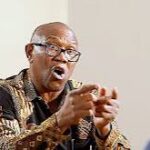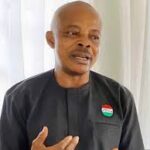


Tope Fasua, Special Adviser to President Bola Tinubu on Economic Affairs, has emphasized that consistent investment in infrastructure remains the most effective strategy for reducing multidimensional poverty in Nigeria.
Speaking in an interview with ARISE News on Friday, Fasua dismissed criticisms that infrastructure spending is misplaced in a country battling high poverty rates. He argued that Nigeria’s poverty crisis extends beyond income levels, encompassing limited access to healthcare, education, clean water, transportation, and other basic services.
“The only way in the books that you can reduce multidimensional poverty is by spending on infrastructure,” he said.
Fasua stressed that projects such as roads, schools, hospitals, and airports play a direct role in alleviating non-income-related forms of poverty by connecting citizens to opportunities and essential services. According to him, such investments bring communities closer to the social infrastructure they need to thrive.
He pushed back against frequently cited poverty statistics, such as the figure of 130 million Nigerians living in multidimensional poverty, urging caution in interpreting such data without proper context.
“We like to throw these numbers around, but I think it’s important for government to clarify what exactly they mean,” Fasua noted.
Highlighting opposition criticism of ongoing projects like the Lagos-Calabar coastal highway and state-built airports, Fasua defended such initiatives as tools for inclusion and economic mobility.
“Even the airports that some state governments are building contribute to reducing multidimensional poverty. Now, more people are closer to transportation hubs and better connected to the rest of the country,” he said.
He also lamented Nigeria’s historically low capital expenditure, pointing out that in 2019, the country ranked among the lowest in the world in terms of capital spending per capita — only marginally ahead of the Democratic Republic of Congo.
“I’m all for a bigger budget. Nigeria has one of the lowest budgets per capita in dollar terms, even within Africa,” Fasua said. “Now is the time to reimagine a new Nigeria, rather than remain trapped in the mindset that only expects the worst from this country. This is a blessed nation.”
Fasua concluded by emphasizing the need for better implementation and monitoring of budget allocations to ensure infrastructure investments translate into meaningful poverty reduction.