

The controversy surrounding the selection of a new Owa of Idanre took a fresh twist on Tuesday as the Kingmakers of Idanre Kingdom in Ondo State denied allegations that they collected ₦10 million each as bribes from contestants vying for the throne.
The stool became vacant following the death of Oba Frederick Aroloye over a year ago. Seven princes from the ruling houses were shortlisted, but only five reportedly paid the ₦10 million levy, while two were disqualified for failing to comply.
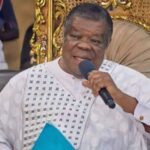
Speaking at a press briefing in Odode-Idanre, the Lisa of Idanre and acting regent, High Chief Christopher Oluwode Akindolire, who also chairs the Kingmakers’ council, admitted that the payment was requested but insisted it was not a bribe.
“We are not shying away from it. It is true we asked each contestant to pay ₦10 million, but we did not force anybody to pay. Only those who paid were balloted,” Akindolire said.
His clarification followed an investigation launched by the Ondo State Public Complaints, Financial Crime and Anti-Corruption Commission (SPFACC) after a petition accused the Kingmakers of violating the state’s Chieftaincy Law by demanding the payment.
Dismissing the allegations as baseless, Akindolire said the fund was transparently kept in a bank account under his name as committee chairman and not shared among members. According to him, the money was meant for renovating the long-abandoned Owa’s palace, supporting traditional rites, and providing logistics and allowances for the Kingmakers.
“The Owa’s palace at Oke-Idanre has been abandoned for over 45 years. The money is intended to restore its dignity and preserve our culture,” he explained, adding that similar contributions had historical precedence.
Defending the amount, he said: “When the late Owa bought his form in 1969, he paid ₦500. If you calculate its present value, ₦10 million is not excessive.”
Meanwhile, four of the aspirants—Babatope Gbolagunte Aroloye, Ibukun Aroloye, Kayode Aroloye, and Mayowa Aroloye—have backed the Kingmakers, describing the payment as a voluntary contribution for the preservation of Idanre’s heritage.
One of them, Mayowa Aroloye, said the fee was justified “considering the enormous cultural and ceremonial obligations attached to ascending the ancient Owa stool.”
They collectively urged critics to “look beyond the figures and understand the purpose,” emphasizing that the money was aimed at reviving the palace, a symbol of Idanre’s unity and identity.