

Burkina Faso’s ruling military junta has officially dissolved the country’s independent electoral commission, describing it as a costly institution and part of broader efforts to assert greater national control over the electoral process.
State broadcaster RTB TV announced the decision on Thursday, reporting that the Ministry of Territorial Administration will now oversee all electoral matters.
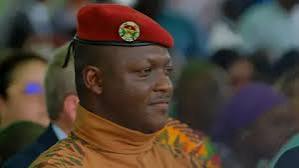
The move is the latest in a series of sweeping reforms introduced by the junta since it seized power in September 2022. Among the most significant of these was the postponement of general elections initially scheduled for last year, with the military government extending the political transition period until July 2029. This extension allows junta leader Captain Ibrahim Traoré to remain in office and potentially contest the next presidential election.
Territorial Administration Minister Emile Zerbo defended the decision, telling AFP that the electoral commission had been subsidized with about $870,000 (approximately £650,000) annually. He claimed dissolving the body would reduce foreign influence and reinforce national sovereignty over the country’s democratic processes.
Since assuming power, the military leadership has pursued a path of political realignment, distancing Burkina Faso from former colonial power France and forging closer ties with Russia. The junta came to power amid widespread public frustration with the previous civilian government’s failure to contain a growing Islamist insurgency.
Human rights groups, however, have accused the military regime of stifling political dissent and committing abuses against civilians in the name of fighting jihadist groups. The junta’s tight grip on political activity and civil liberties has also drawn international concern.
Despite promises of improved national security under military rule, insurgent violence continues to escalate. The al-Qaeda-linked group Jama’at Nusrat al-Islam wal-Muslimin (JNIM) claimed responsibility for over 280 attacks in the first half of 2025—twice as many as in the same period last year, according to BBC-verified data.
The junta has yet to release a detailed plan for future elections or clarify how electoral transparency and accountability will be maintained under direct government control.