


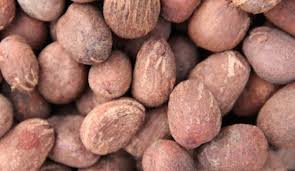
The Director-General of the Raw Materials Research and Development Council (RMRDC), Prof. Nnanyelugo Martin Ike-Muonso, has commended the Federal Government’s six-month suspension of raw shea nuts export, describing it as a decisive step to boost local processing and strengthen Nigeria’s shea industry.
President Bola Tinubu recently approved the temporary ban to curb informal trade and enhance value addition in the sector, with projections that it could generate up to $300 million annually in the short term. The ban will be reviewed after six months.
Speaking at a media briefing in Abuja, Prof. Ike-Muonso reaffirmed the council’s commitment to ensuring the success of the policy. He stressed that exporting raw materials without value addition undermines job creation and economic growth. “Instead of exporting poverty, we should be exporting prosperity,” he said, adding that Niger State has already allocated 10,000 hectares for shea plantations in response to the policy.
He revealed that over 90 percent of Nigeria’s shea nut output is exported raw, despite studies showing the country produces up to one million metric tonnes annually. He noted that the council had laid the groundwork for the policy, including the publication of a five-year strategic roadmap for the sector in 2019, and would now intensify efforts in technology development, women’s cooperatives, tree mapping, and processing equipment deployment across shea-producing states.
Similarly, the National Association of Shea Products of Nigeria (NASPAN) welcomed the ban, calling it a paradigm shift that could stabilise prices, create jobs, and formalise the trade. The group urged the Federal Government to strengthen border policing, create a Shea Marketing Board, introduce grants for processors, and expedite the passage of a bill establishing a National Council on Shea.
NASPAN also called for the integration of shea into the Nigerian Commodity Exchange to ensure transparency and fair returns, while recommending the adoption of shea trees in national climate programmes. It further highlighted its Shea Parkland Restoration and Afforestation Programme (SPARE), which aims to plant 10 million shea trees in the next decade, as a model for long-term sustainability.
Both RMRDC and NASPAN emphasised that the export restriction provides Nigeria with an opportunity to consolidate its position as the world’s largest producer of shea and a global hub for value-added shea products.