

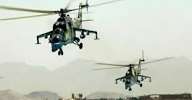
Nigeria is set to strengthen its air combat capabilities with plans to acquire 24 Italian-made M-346FA light fighter aircraft in a deal estimated at €1.2 billion, the largest single military jet purchase by any country in West Africa.
Business Inside Africa reported on Tuesday that the agreement was reached with Italian aerospace and defence firm, Leonardo S.p.A., as part of Nigeria’s ongoing military modernisation programme aimed at enhancing the operational capacity of the Nigerian Air Force.
The deal goes beyond the supply of aircraft, covering maintenance, logistics and long-term technical support, a move analysts say reflects the government’s intention to sustain combat readiness rather than pursue short-term upgrades.
The acquisition follows an earlier approval by the Federal Executive Council for a $618 million borrowing plan to finance the purchase of the Italian-made jets and related munitions.
The planned procurement comes amid persistent security challenges across the country, including the insurgency in the North-East, escalating banditry in the North-West and recurrent communal violence in the Middle Belt. The crises have strained government resources, displaced millions and disrupted economic activities in several regions.
Security officials believe the M-346FA jets will enhance aerial surveillance, close air support and precision strike operations, providing the military with greater flexibility in tackling insurgent and criminal groups.
Nigeria’s expanding military capability is also unfolding within a fragile regional context. Recently, Nigerian troops were deployed to Benin Republic following an attempted coup, after mutinous soldiers briefly took control of key locations in Cotonou. The deployment, carried out at the request of Benin’s authorities and approved by the Nigerian Senate, reportedly helped restore constitutional order.
Observers say Nigeria’s decision to partner with Italy signals a shift in its defence procurement strategy, as it seeks modern equipment, competitive pricing and stronger after-sales support, while reducing reliance on traditional suppliers such as the United States, Russia and China.
However, the scale of the arms deal is expected to spark renewed debate over government spending priorities at a time of rising debt, economic hardship and worsening social conditions across the country.