

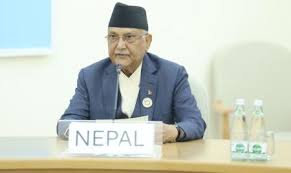
Nepalese Prime Minister KP Sharma Oli resigned on Tuesday following two days of mass anti-government protests that have plunged the country into its worst political crisis in over a decade.
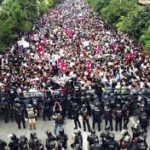
His resignation came a day after security forces opened fire on demonstrators, mostly young protesters, killing at least 19 people. The unrest, fueled by anger over corruption, inequality, and a recent ban on social media platforms including WhatsApp and Instagram, escalated despite the government lifting the restrictions on Tuesday in an effort to ease tensions.
Authorities imposed a citywide curfew in Kathmandu, but protesters stormed the main government compound housing the prime minister’s office and set it ablaze, along with homes of senior politicians, party offices, police stations, and other government buildings. Security forces, despite heavy deployment, were unable to contain the crowds or protect key institutions.
Oli’s resignation, along with that of several lawmakers, has left the ruling coalition fractured. Opposition leaders and protest organizers are demanding sweeping political reforms and justice for those killed during the crackdown, as Nepal faces a period of deep uncertainty and instability.