

Nepal’s army on Thursday resumed talks with leaders of the youth-led “Gen Z” protests to select an interim leader, following violent demonstrations that left 30 people dead and forced the prime minister to resign.
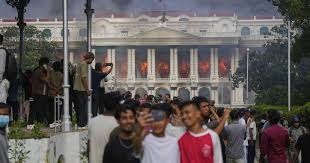
Troops were deployed across Kathmandu as the capital remained tense after its worst unrest in decades. The protests, triggered by a controversial social media ban, turned deadly when police fired tear gas and rubber bullets, killing 19 people before authorities lifted the restriction.
Former Chief Justice Sushila Karki, Nepal’s first woman to head the judiciary in 2016, has emerged as the frontrunner to lead a caretaker government. Protest leaders have largely endorsed her, describing her as “honest” and “fearless.” Karki, 73, has reportedly consented to the role, though legal experts are still exploring a constitutional framework for her appointment.
Army spokesperson Raja Ram Basnet confirmed the discussions were ongoing. “Initial talks are on and would continue today. We are trying to normalise the situation slowly,” he said.
Shops, schools, and colleges remained closed in Kathmandu and surrounding districts, though some essential services resumed. Prohibitory orders are still in place, but international flights at Kathmandu airport continued to operate.
The health ministry said 1,033 people were injured in the unrest, which has been driven largely by young Nepalis angry over corruption and lack of economic opportunities. Demonstrators torched government buildings, homes of ministers, and businesses, including hotels in Pokhara and the Hilton in Kathmandu. Former prime minister K.P. Sharma Oli’s private residence was also set ablaze.