

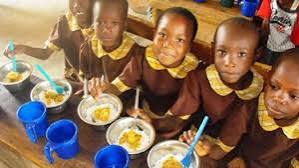
The United Nations World Food Programme (WFP) has reported that school feeding initiatives now reach 466 million children globally, reflecting a 20 percent increase since 2020.
According to the latest State of School Feeding Worldwide report, the expansion is being driven largely by national governments, with low-income countries recording a 60 percent rise in the number of children enrolled. Nigeria recently relaunched its scheme with a target of 10 million pupils.
WFP Executive Director Cindy McCain described school meals as “more than just food,” calling them a pathway out of poverty that supports education and opportunity.
The report highlighted significant economic returns, estimating that every $1 invested generates between $7 and $35 through improved health, education, local job creation, and the promotion of eco-friendly diets. It also noted that girls and women benefit disproportionately in terms of education, health, and empowerment.
The findings come ahead of the second School Meals Coalition Global Summit, scheduled for September 18–19 in Brazil, where governments and partners are expected to mobilise further action.