


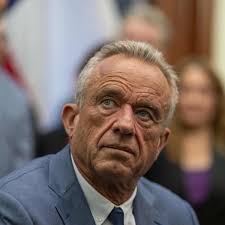
Health Secretary Robert F. Kennedy Jr. came under sharp bipartisan criticism on Thursday during a heated Senate Finance Committee hearing, where lawmakers grilled him over sweeping changes to federal health agencies and his controversial vaccine policies.
The three-hour session reflected growing concerns about Kennedy’s leadership of the Department of Health and Human Services (HHS), which he has led since February. Democrats accused him of spreading misinformation and restricting vaccine access, while some Republicans questioned his judgment and consistency.
The scrutiny followed Kennedy’s abrupt dismissal of Susan Monarez, Director of the Centers for Disease Control and Prevention (CDC), last week after a dispute over vaccine guidance. He also fired 600 CDC staff and replaced the government’s vaccine advisory panel with new appointees, some of whom are vaccine skeptics. In a Wall Street Journal op-ed, Monarez alleged she was ousted for refusing to endorse the panel’s recommendations—a claim Kennedy denied, saying he removed her over concerns about her “trustworthiness.”
Exchanges grew tense when Senator Maggie Hassan accused him of blocking vaccine access. “You’re just making stuff up,” Kennedy retorted, prompting Hassan to respond: “Sometimes when you make an accusation, it’s kind of a confession, Mr. Kennedy.”
Pressed by senators on Covid-19 vaccines, Kennedy initially claimed he could not assess their impact due to “data chaos” under the Biden administration but later admitted the shots had saved “quite a few” lives. Republican senators also raised concerns, with Senator Bill Cassidy faulting Kennedy’s policy of limiting booster approval to only adults over 65 and vulnerable groups. “Effectively, we are denying people vaccines,” Cassidy charged. Kennedy replied: “You’re wrong.”
The hearing comes amid wider turbulence at HHS, including a recent shooting at CDC headquarters in Atlanta and the country’s worst measles outbreak in decades—both fueling debate about vaccine hesitancy. Critics say Kennedy’s mixed messaging has undermined trust in public health, even as he insists his reforms are aimed at transparency and safety.
For Kennedy, the contentious session highlighted a widening divide between his assurances and his policies, leaving both parties questioning whether his leadership is stabilizing U.S. public health or further eroding it.