

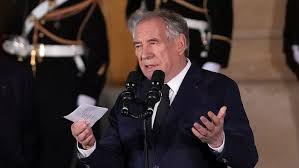
French Prime Minister François Bayrou faces almost certain defeat after opposition parties declared they would not back him in a confidence vote on 8 September, called to secure support for sweeping budget cuts.
Bayrou, who has led a fragile minority government since December, announced the vote on Monday, warning that France was at a “worrying and decisive moment” due to its mounting deficit. “Yes, it’s risky, but it’s even riskier not to do anything,” he said.
However, parties across the political spectrum quickly lined up against him. The far-right National Rally, the Socialists, Greens, Communists, and radical-left France Unbowed all vowed to reject his plans. Socialist leader Olivier Faure told Le Monde it was “unthinkable” his party would support Bayrou, accusing him of pushing “a budget that no-one supports, not even his electorate.”
Bayrou’s proposals include nearly €44 billion (£38bn) in spending cuts, first announced in July, as well as scrapping two public holidays. The move has already triggered protests called by the “Bloquons tout” (“Block everything”) movement, which began online and has gained backing from unions and left-wing groups. Demonstrations are set to take place two days before the vote.
The prime minister’s stance has rattled markets. France’s CAC-40 index fell 1.59% on Monday and dropped a further 2% on Tuesday morning. Finance Minister Eric Lombard insisted a recovery budget for 2026 was essential, but acknowledged there was “room for negotiation.”
Bayrou was appointed by President Emmanuel Macron after the collapse of Michel Barnier’s government last December. But with no majority in the National Assembly, his prospects now appear bleak. National Rally president Jordan Bardella declared that Bayrou had “signed the end of his government,” while Marine Le Pen said only dissolving parliament would allow France to “choose its destiny.”
Despite the opposition backlash, some ministers praised Bayrou’s gamble. Justice Minister Gérald Darmanin called it “extremely courageous and very democratic.”
If the government falls, Macron must decide whether to keep Bayrou in place as caretaker, appoint a new prime minister, or call fresh elections. Macron’s presidency continues until 2027, but his decision to call snap elections in 2024 left France with its current fractured parliament.