

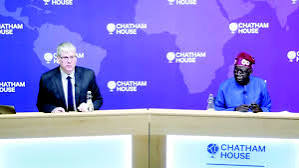
UK-based policy institute Chatham House says corruption remains deeply entrenched in Nigeria, stifling economic growth and eroding trust in public institutions despite a quarter century of reform efforts by successive administrations.
In a new report authored by Dr. Leena Hoffmann of the Africa Programme and Tommy Hilton of the Communications and Publishing team, the organisation said corrupt practices cut across politics, public administration, law enforcement, and the judiciary, often undermining basic service delivery.
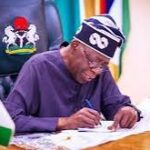
The report comes days after President Bola Tinubu claimed during an official visit to Brazil that his administration had “rid the nation of corruption” through economic reforms.
While most Nigerians disapprove of corruption, the report noted, many tolerate or engage in it as a survival strategy in a dysfunctional system. Chatham House ranked Nigeria among the world’s 40 most corrupt countries on Transparency International’s Corruption Perceptions Index and 35th from the bottom in the World Bank’s “control of corruption” indicator. Within Africa, Nigeria places 33rd out of 54 countries on the Mo Ibrahim Index of African Governance.
“Corruption has eroded the basis for Nigeria’s economic prosperity and negatively impacted its growth,” the report stated, noting that although Nigeria has Africa’s fourth-largest economy by GDP, its GDP per capita remains among the lowest on the continent.
The institute said corruption not only diverts resources from education, healthcare, and infrastructure but also fuels poverty, inequality, and insecurity, with more than half of Nigerians living in poverty. It further warned that corruption has weakened the rule of law, fostered impunity, and deepened public distrust of institutions such as the police, judiciary, and government.
According to the study, patronage networks, clientelism, and unreliable public services continue to normalise bribery and corrupt practices, while political interference and underfunding of anti-corruption agencies have blunted institutional reforms since the end of military rule 25 years ago.
“This has exacerbated Nigeria’s societal challenges, perpetuating a vicious cycle of corruption, systemic inefficiencies and underdevelopment,” the report concluded.