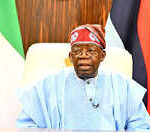


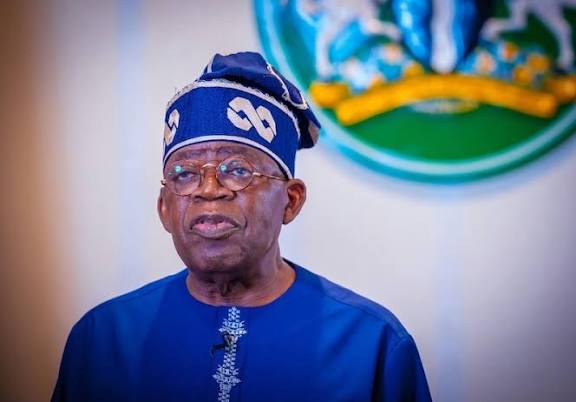
President Bola Ahmed Tinubu on Wednesday said Nigeria had recorded remarkable progress in critical sectors since its independence in 1960.
In a nationwide broadcast to mark the country’s 65th Independence anniversary, the president noted improvements in education, healthcare, infrastructure, telecommunications, aviation, and financial services over the decades.
“At independence, Nigeria had 120 secondary schools with a student population of about 130,000. Today, we have more than 23,000 secondary schools across the country,” Tinubu said. “In 1960, we had only the University of Ibadan and Yaba College of Technology as our tertiary institutions. By the end of 2024, the number had grown to 274 universities, 183 technical schools and 236 colleges of education nationwide.”
He praised the resilience of Nigerians in overcoming challenges such as civil war, years of military rule, political instability, and economic hardship. According to him, despite pressures from forces opposed to the nation’s values, Nigerians have continued to strive toward building “a more perfect union where every citizen can find better accommodation and fulfilment.”
The president also paid tribute to the country’s founding fathers and nationalists, including Herbert Macaulay, Nnamdi Azikiwe, Abubakar Tafawa Balewa, Obafemi Awolowo, Ahmadu Bello, Margaret Ekpo and Funmilayo Ransome-Kuti, whom he said envisioned Nigeria as a beacon of hope and leadership for Africa and the black race.
Reflecting on the nation’s journey, Tinubu stated: “In 65 years since our independence, we have made tremendous progress in economic growth, social cohesion and physical development. Although it is much easier for those whose vocation is to focus solely on what ought to be, we must recognise and celebrate our significant progress.”