

The Supreme Council for Shari’ah in Nigeria (SCSN) has raised concerns over what it described as discrepancies between tax reform bills passed by the National Assembly and the versions later gazetted and presented to the public, warning that the alleged alterations threaten Nigeria’s constitutional order.
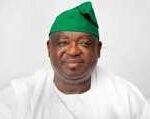
The Council’s position followed claims made on the floor of the House of Representatives on Wednesday by Abdulsamad Dasuki, who alleged that provisions not debated or approved by lawmakers appeared in the final tax laws signed by the President.
In a statement signed by its Secretary General, Nafiu Baba-Ahmad, the SCSN said the allegations, if proven, would amount to a serious constitutional breach with implications for democracy, governance, economic stability and public trust.
The Council said it actively monitored and participated in the legislative process leading to the passage of the tax reform bills, stressing that its involvement was aimed at promoting fairness, transparency, constitutional compliance and the protection of public interest.
According to the SCSN, the tax reforms have significant implications for citizens, businesses and religious, social and economic obligations, making adherence to due legislative process essential.
The Islamic body said it was disturbed by claims that provisions agreed upon by lawmakers may have been altered at the executive level, describing such action, if established, as an infringement on the sovereign will of the people.
The Council called on the leadership of the National Assembly, including the Speaker of the House of Representatives, Tajuddeen Abbas, and Senate President, Godswill Akpabio, to ensure a transparent examination of the claims before the laws take effect on January 1, 2026.
It urged lawmakers to conduct an open comparison between the bills passed by both chambers and the gazetted versions to determine the nature and extent of any alleged changes.
Warning of possible consequences, the SCSN said failure to address the issue could erode public trust, weaken the separation of powers, expose the laws to constitutional challenges and create economic uncertainty.
The Council emphasised that taxation requires the highest level of constitutional integrity, insisting that Nigerians cannot be expected to comply with fiscal obligations arising from laws whose authenticity is in doubt.